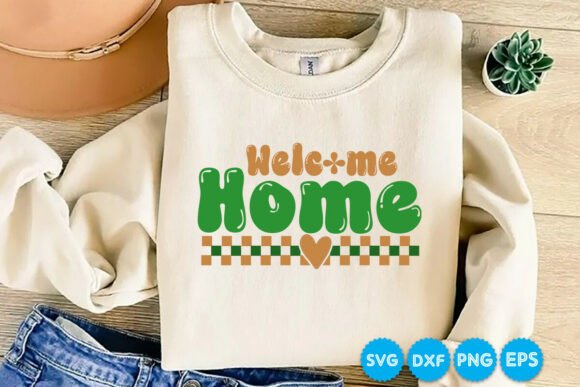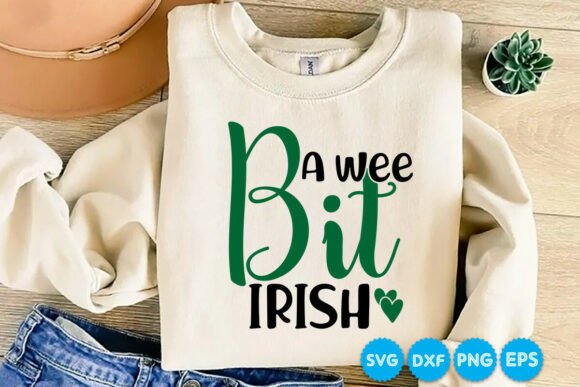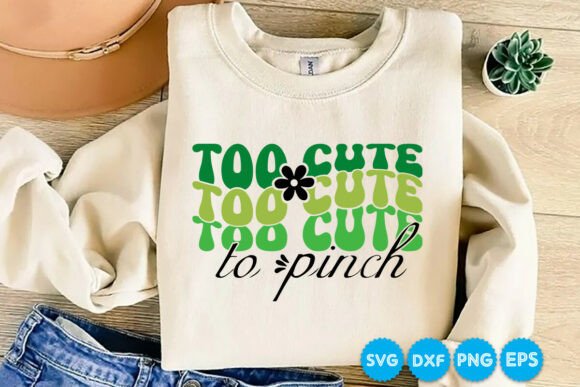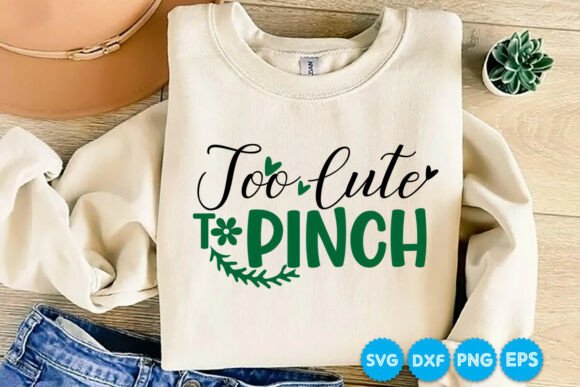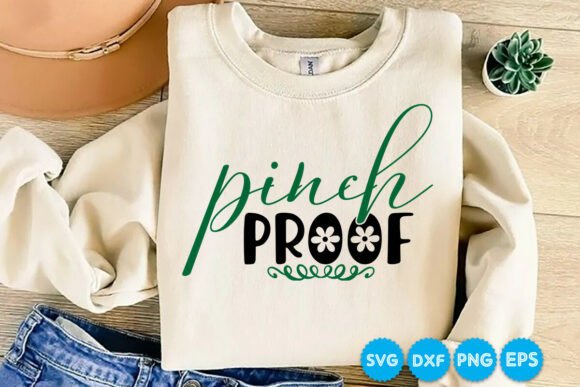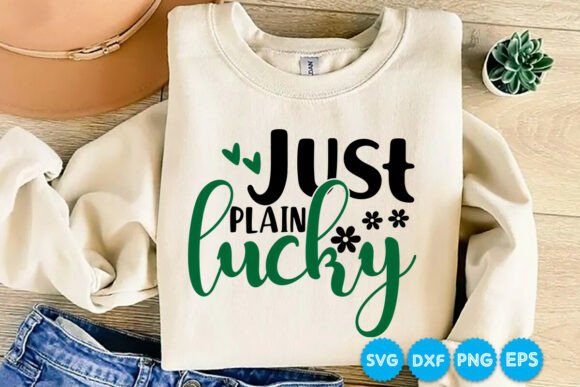
St Patricks Day Svg Design 10 Review
As a designer who spends more time staring at stitch density charts and fabric swatches than scrolling through social media, I approach every new embroidery file with a healthy dose of skepticism. The market is flooded with generic clipart masquerading as professional designs, so when I pulled up St Patricks Day Svg Design 10, I wasn’t just looking for pretty green shapes. I was looking for viability. Could this actually work on a sweatshirt? Would it hold up after ten washes? And most importantly, would an Etsy buyer feel like they were getting something special?
This review breaks down my experience evaluating St Patricks Day Svg Design 10 not as a static image, but as a functional asset for real-world production. Whether you are a seasoned machine embroidery veteran or a crafter dipping your toes into the handmade business world, here is what you need to know before you hit the start button.
The First Impression: Mood and Visual Weight
When I first opened the vector files included in the package—specifically the layered SVG—I immediately assessed the visual weight. St. Patrick’s Day designs often fall into two camps: overly cluttered with too many symbols (shamrocks, harps, beer mugs, rainbows) or dangerously simple. St Patricks Day Svg Design 10 strikes a surprisingly effective balance. It has a distinct personality without feeling chaotic.
The layout feels confident. It doesn’t scream for attention; it invites it. This is crucial for custom apparel where you want the design to look intentional, not slapped on. The shape suggests a modern, slightly playful aesthetic that fits well with current trends in boutique branding. It feels appropriate for a handmade product aimed at millennials or Gen Z buyers who appreciate clean lines over traditional, stuffy holiday motifs. However, if your target demographic prefers rustic, farmhouse-style decor, you might find this design a bit too polished. But for general holiday embroidery, it hits the sweet spot of recognizable theme and contemporary style.
Real-World Application: From Screen to Stitch
I decided to test St Patricks Day Svg Design 10 in a scenario that mirrors what many small shop owners face: creating a cohesive line of merchandise for the spring season. My test case was a custom embroidered tote bag paired with a matching baby onesie. Here is how the design performed in those specific contexts.
Tote Bag Embroidery
Tote bags are a staple for craft fairs and online shops. They offer a large, flat canvas, which can be deceptive because the fabric tension varies wildly depending on the weave. When I digitized the preview for a standard 5x7 hoop, the design scaled beautifully. The stitch density appeared consistent, meaning there were no glaring gaps in the fill stitch areas that would expose the fabric underneath. For a tote bag design, clarity is king. You don’t want tiny details getting lost in the texture of canvas. This design’s bold outlines ensured that even from a distance, the motif read clearly. It gave the finished product a professional, high-end look that justified a higher price point.
Baby Embroidery and Delicate Fabrics
Testing on a baby onesie required a different mindset. Here, the fabric texture is soft and stretchy, and the stakes for comfort are higher. I checked the corners of the design carefully. Sometimes, intricate cuts in an SVG can translate to awkward thread jumps in embroidery, which can snag on sensitive skin. In this case, the curves flowed naturally. The design avoided excessive backstitching in areas that would rub against the baby’s neck. It proved that St Patricks Day Svg Design 10 is versatile enough to transition from rugged outerwear to delicate baby clothes without losing its charm. It adds a touch of festive joy to nursery decor or holiday gifts without overwhelming the garment.
Where Caution Is Required
No design is perfect for every surface. While St Patricks Day Svg Design 10 is robust, there are specific scenarios where you need to exercise caution. If you plan to use this on a curved surface like a baseball cap, you must pay close attention to the placement. Designs with sharp angles or extended tails can distort if not anchored properly with stabilizer. I recommend testing on scrap fabric first to ensure the hoop size accommodates the curve without pucker.
Additionally, avoid using this design on highly textured fabrics like heavy bouclé wool or thick fleece. The satin stitch edges may not lay flat against such uneven surfaces, leading to a messy finish. Similarly, on dark fabrics, you will need to choose your thread colors wisely. If the design relies on subtle tonal variations, they might get lost. Stick to high-contrast threads—bright greens against navy or black—to maintain visual impact.
Technical Breakdown for the Digital Seller
For those of us selling digital products or managing inventory, the file structure matters. The inclusion of an SVG, DXF, and PNG is a strong plus. The SVG being vector and layered means you have control. You can separate elements if you want to create an applique design variation or adjust the scale without losing resolution. This flexibility is gold for digital embroidery file sellers who want to offer customization options.
The PNG provided is a high-resolution 300 dpi transparent background file, which is essential for creating printable mockups. As an Etsy seller, your listing photos are your sales pitch. Being able to overlay this design cleanly onto mockup images of aprons, pillows, or kitchen towels allows you to showcase the finished product realistically. It helps customers visualize the item in their home, which significantly boosts conversion rates. It also serves as excellent design assets for creating social media graphics or website banners promoting your spring collection.
Practical Designer Notes Before You Start
Before you rush into mass production, keep these practical tips in mind to ensure your embroidery project succeeds:
- Test on Scrap Fabric: Always run a test stitch on the exact fabric you plan to use. This reveals issues with tension, stabilizer choice, and thread compatibility that you cannot see on screen.
- Check Stitch Density: Review the digitization for any overly dense areas. Excessive density can cause needle breakage or fabric distortion, especially on lighter materials.
- Verify Licensing: Confirm the license terms before selling commercial embroidery items. Ensure you have the right to sell physical goods made from this design, especially if you are a small shop product creator.
- Mockup in Black and White: Convert your design to grayscale to check contrast. If the design loses definition in black and white, it might struggle in color embroidery depending on your thread palette.
- Inspect Small Details: Zoom in on the smallest elements. If they are too fine, they may not stitch out cleanly, resulting in a fuzzy appearance rather than a crisp edge.
Final Verdict on Value and Appeal
Does St Patricks Day Svg Design 10 deliver value? Absolutely. It is not just another generic shamrock clipart. It has been crafted with an eye for modern aesthetics and practical application. For the craft business owner, it offers a reliable tool to create personalized gifts and custom apparel that stand out in a crowded marketplace. The ability to use it across various mediums—from embroidered patches to sweatshirt embroidery—makes it a versatile addition to your library.
The design enhances brand consistency by providing a clean, professional look that customers trust. It elevates the perceived value of your handmade product, allowing you to position your items as premium rather than budget-friendly. Whether you are preparing for a busy holiday season or expanding your graphics offerings in the Crafts category, this design proves itself as a solid investment of time and resources.
In conclusion, St Patricks Day Svg Design 10 earns its place in my workflow. It balances artistic flair with technical reliability, making it suitable for both hobbyists looking to create unique holiday embroidery projects and professionals aiming to streamline their production process. Just remember to respect the fabric, test your settings, and let the quality of the design speak for itself. Your customers will notice the difference, and your bottom line will thank you.