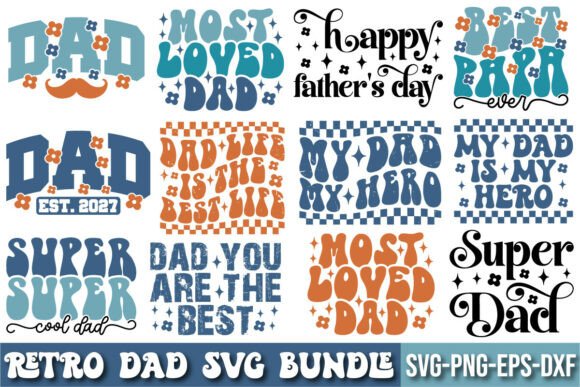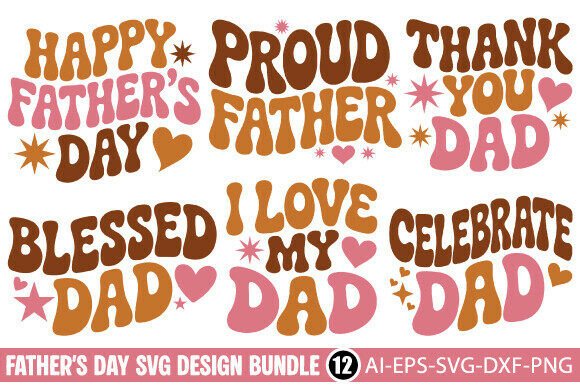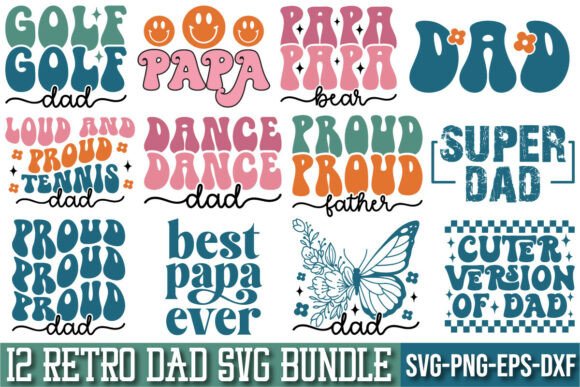
Reviewing 12 Retro Dad SVG Bundle
As a designer who spends half my life staring at stitch patterns and the other half worrying about client deadlines, I don’t just buy digital assets; I stress-test them. When I first pulled up the 12 Retro Dad SVG Bundle, my immediate thought wasn’t about the nostalgia factor—it was about execution. Would this translate well to thread? Would it hold up on a busy craft fair table? And most importantly, would it look professional when stitched onto a customer’s garment?
This review isn’t about telling you that "Dads are great." It’s about evaluating whether this specific collection of design assets is worth your time, your fabric, and your machine’s needle. I’ve put this bundle through its paces, thinking through how these graphics behave in real-world scenarios for craft business owners, Etsy sellers, and hobbyists alike.
The First Impression: Mood and Layout
The moment you open the files, the aesthetic is clear. We are looking at a distinct retro vibe—think vintage typography, faded color palettes (even in vector form), and layouts that feel like they were ripped from a 1970s garage band poster or a classic dad joke card. For an embroidery project, this visual personality is a double-edged sword.
The shapes are generally bold, which is good news for stitching. Intricate, hairline details are the enemy of embroidery, but these designs seem to favor chunky lines and solid blocks of text. This creates a strong silhouette that reads well even from a distance. The mood is playful, approachable, and slightly ironic. It fits perfectly into the current market trend for personalized gifts that balance humor with sentimentality. It doesn’t scream "corporate," which makes it ideal for small shop product lines that want to feel handmade and authentic.
Real-World Application: Where Does This Shine?
I imagine this machine embroidery design performing best on items that allow for a bit of breathing room. Let’s talk about a specific scenario: creating a custom gift for a father figure who loves woodworking or grilling.
Imagine taking one of these designs and applying it to a heavy-duty canvas tote bag design or a thick cotton sweatshirt embroidery. The retro theme pairs naturally with rugged fabrics. The contrast between the soft, nostalgic graphic and the durable material creates a tactile appeal that customers love. It feels like something you’d find in a boutique home goods store rather than a mass-produced big-box item.
It also works surprisingly well for baby embroidery if you tone down the irony. A simpler, cuter variation of a "Retro Dad" theme can work beautifully on a burp cloth or a onesie, bridging the gap between new parenthood and dad culture. However, you have to be careful with the text size. If the original design relies on tiny script, it will disappear once stitched.
The Stitch-Out Reality Check
This is where the rubber meets the road. Just because it looks good as an SVG doesn’t mean it stitches out cleanly. Here is what I noticed when considering the technical side:
- Satin Stitch vs. Fill Stitch: The lettering in these designs likely requires a tight satin stitch. Ensure your digitizing software allows you to adjust the density. If the text is too thin, it may pucker the fabric. The graphical elements might benefit from a fill stitch, but check the stitch density to avoid using up all your thread spools on a single patch.
- Detail Level: Look closely at the corners of the retro shapes. Are they sharp or rounded? Rounded corners tend to stitch out more reliably on curved surfaces like caps or hats. Sharp corners can sometimes look jagged if the resolution of the source file isn't high enough.
- Thread Colors: The "retro" look often depends on muted tones. In embroidery, you are limited by the colors available in your machine. You might need to swap out bright neon vectors for dusty rose, olive green, or mustard yellow threads to achieve that authentic vintage feel. Don’t be afraid to use multiple shades of the same color family to create depth.
Where to Use It Carefully
Not every surface is created equal. While this bundle is versatile, there are places where it might struggle:
- Small Hoop Sizes: If you are trying to fit a large graphic into a 4x4 hoop, you risk losing detail. Always preview the design in your software at the actual hoop size before cutting stabilizer.
- Textured Fabrics: Avoid using this on boucle, heavy knits, or loose-weave linen. The needle will get caught, and the clean lines of the retro design will be lost in the fabric texture.
- Stretchy Fabrics: If you are embroidering on jersey or spandex blends without proper stabilization, the design will distort. The rigid nature of the retro typography won’t stretch with the fabric, leading to a wavy, unprofessional finish.
- Dense Stitch Areas: If the design has large blocks of fill stitch, it can become stiff. On a custom apparel item like a t-shirt, this stiffness can be uncomfortable against the skin. Consider using a tear-away or cut-away stabilizer depending on the fabric weight.
Product Value and Brand Consistency
For the commercial embroidery seller, the value of this bundle lies in its versatility. Because the theme is broad ("Dad"), you can apply it to a wide range of products without feeling pigeonholed. You aren’t just selling a shirt; you are selling a personalized gift for Father’s Day, birthdays, or holidays.
When you present these items in a printable mockup for your online store, ensure the lighting highlights the texture of the thread. Customers can’t touch the product, so the visual cue of the embroidery needs to look substantial and high-quality. A flat, shiny vector image doesn’t convey the same value as a photo showing the raised satin stitch.
Consistency is key. If you plan to build a brand around this theme, stick to a specific color palette across your listings. Using the same three thread colors for all your "Retro Dad" items creates a cohesive shop appearance that builds trust with buyers.
Practical Designer Notes Before You Stitch
Before you commit to a full production run, follow these steps to protect your reputation:
- Test on Scrap Fabric: Never assume a design will stitch out perfectly on your final material. Test on a scrap piece of the exact fabric you plan to sell.
- Check Licensing: This is critical. Since you are buying a digital embroidery file, verify the commercial license. Can you sell the finished physical product? Can you sell the digital file itself? Most bundles allow for unlimited physical sales but prohibit reselling the file. Read the fine print.
- Inspect Small Details: Zoom in on the vector. Are there any overlapping paths that might cause confusion in the digitizing process? Clean up any unnecessary nodes before importing into your embroidery software.
- Stabilizer Choice: For lightweight fabrics, use a water-soluble topping to prevent thread sinking. For heavy fabrics, a sturdy cut-away stabilizer is non-negotiable for long-term durability.
Final Verdict
The 12 Retro Dad SVG Bundle is a solid addition to your graphics library if you are looking to tap into the personalized gift market. It offers a trendy aesthetic that resonates with buyers, provided you execute the stitching with care. It is not a "set it and forget it" design; it requires thoughtful placement, appropriate fabric choices, and attention to stitch density.
However, for the right maker, it is a powerful tool. It transforms simple materials into memorable keepsakes. Whether you are making a single apron for a friend or launching a line of embroidered patches for your Etsy shop, this bundle provides the visual foundation you need. Just remember: the design is only as good as the stitch. Treat it with respect, test thoroughly, and you’ll have a finished product that customers will cherish.