Retro Valentine’s SVG Review
As a designer who spends half my life in digitizing software and the other half judging the practicality of files before they hit the hoop, I approach every new asset with a healthy dose of skepticism. The market is flooded with generic clipart disguised as premium designs. However, when I first pulled up Retro Valentine’s SVG, it stopped me from immediately scrolling past. It isn’t just another heart; it has a specific mood, a distinct era, and a visual weight that suggests it was built for real-world application rather than just digital clutter.
This review breaks down how this design performs in actual embroidery workflows, from the initial stitch-out to the final product on a customer’s chest or tote bag. If you are an Etsy seller, a boutique owner, or a crafter looking to elevate your handmade offerings, here is my honest take on whether this file belongs in your library.
First Impressions: Mood and Visual Personality
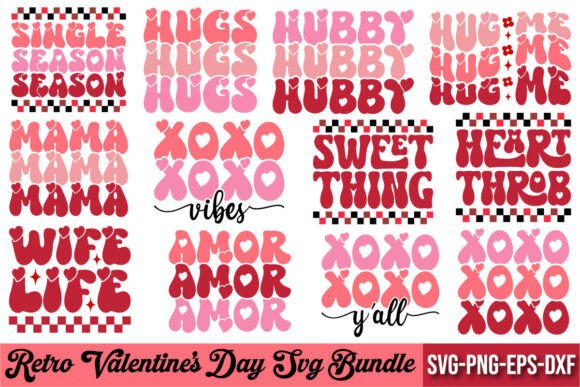
The moment you load the vector, the aesthetic speaks for itself. "Retro" can mean many things—70s psychedelic, 80s neon, or vintage mid-century—but this design leans into a warm, nostalgic vibe that feels timeless rather than trendy. The lines are clean, the shapes are balanced, and there is a playful energy that translates exceptionally well to textile media.
What stands out most is the layout. In embroidery, negative space is just as important as the stitched area. This design respects that rule. It doesn’t feel cramped, which is a common pitfall with holiday-themed graphics. The visual personality is friendly and inviting, making it an excellent candidate for personalized gifts, nursery decor, or casual wear. It strikes a balance between professional polish and homemade charm, which is exactly what modern consumers are looking for.
Real-World Application: Where This Design Shines
I don’t believe in testing designs in a vacuum. To truly understand the value of Retro Valentine’s SVG, I imagined it applied to several high-demand craft business items. Here is where it naturally fits:
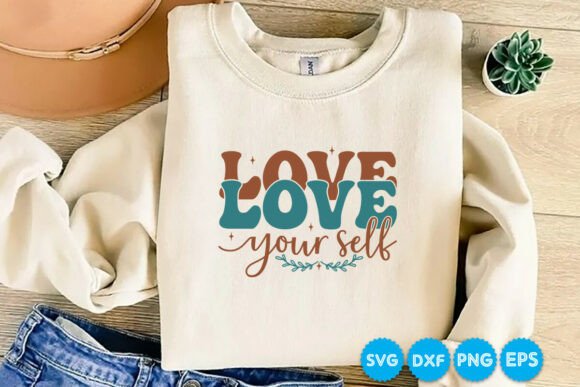
- Custom Apparel and Sweatshirts: The bold nature of the graphic works beautifully on heavyweight cotton blends. On a sweatshirt, it anchors the look without overwhelming the garment. It feels like a statement piece that customers would wear repeatedly, not just once for a photo op.
- Tote Bag Design: Canvas totes are a staple for any craft fair booth. This design provides enough visual interest to stand out on a rack of plain bags. When embroidered, it adds a tactile quality that printed vinyl simply cannot match.
- Baby Embroidery and Nursery Decor: The soft, rounded aesthetics make it safe and appealing for baby clothes, burp cloths, or crib bumpers. Parents often seek out designs that feel gentle yet distinctive, and this hits that mark perfectly.
- Embroidered Patch and Aprons: For kitchen enthusiasts, applying this to a flour sack towel or a heavy-duty apron creates a functional art piece. The retro theme complements farmhouse and vintage-style kitchens effortlessly.
For the Etsy seller or small shop product creator, this versatility is gold. You aren’t limited to one niche. A single design can drive sales across apparel, home goods, and accessories, maximizing your return on investment for the file.
Technical Considerations and Stitch Performance
While the vector looks great on screen, the true test is how it behaves under the needle. As a machine embroidery design, clarity is king. Here is what you need to watch out for during the digitizing or editing phase:
- Stitch Density and Fill Stitch: Ensure the fill areas are optimized. Too dense, and the fabric will pucker; too sparse, and the base material will show through. This design likely relies on a mix of fill stitch and satin stitch outlines. Check that the satin edges are crisp, especially if you are using metallic threads, which require wider spacing to prevent shredding.
- Hoop Size Constraints: Before committing to production, confirm the hoop size fits your target garment. If you plan to embroider on the front pocket of a hoodie, ensure the design scales down without losing its character. Tiny details can get lost in smaller hoops, so always preview the design at actual size.
- Thread Colors and Contrast: The success of this design hinges on color choice. On dark fabrics, you will need bright, contrasting threads to make the retro elements pop. On light fabrics, pastel or muted tones might better capture the vintage feel. Always test your thread colors against your actual fabric stock.
Remember to use the proper stabilizer. For stretchy knits like t-shirts, a cut-away stabilizer is non-negotiable to prevent distortion. For woven fabrics like canvas or tea towels, a tear-away may suffice, but a water-soluble top stabilizer can help keep fine details sharp.
Where to Use with Caution
No design is perfect for every surface. There are specific scenarios where Retro Valentine’s SVG might struggle:
- Small Hoop Sizes: If the design contains intricate corners or tiny text, shrinking it below a certain threshold will result in muddy stitching. Avoid using it for very small accents on jewelry or tiny hat patches unless you have verified the detail resolution.
- Textured and Stretchy Fabrics: While it works well on standard cotton, highly textured fabrics like boucle or extremely stretchy spandex blends can distort the geometry of the design. The stitches may pull unevenly, altering the intended shape.
- Curved Surfaces: Embroidering on curved items like baseball caps requires careful hooping techniques. If the design has straight lines or rigid geometric shapes, they may appear warped if the cap curvature isn't accounted for in the digitizing process.
Impact on Brand and Customer Perception
In the world of handmade commerce, presentation is everything. A high-quality embroidery job signals professionalism and care. When a customer receives a product featuring Retro Valentine’s SVG, they are buying more than just a graphic; they are buying the assurance of quality.
A well-executed finished product builds trust. It shows that you pay attention to detail, from thread tension to edge finishing. This enhances your brand consistency and makes your listings stand out in a crowded marketplace. Furthermore, because the design has a clear theme, it is highly giftable. Customers love buying personalized gifts for weddings, holidays, and birthdays, and this design offers a ready-made solution that feels thoughtful and curated.
Practical Designer Notes for Implementation
Before you start mass-producing, follow these steps to ensure success:
- Test on Scrap Fabric: Never run a new design directly onto a finished garment. Always stitch it out on a scrap piece of the same fabric type to check for puckering, thread breaks, or alignment issues.
- Black and White Mockups: View your design in grayscale. This helps you assess the contrast and balance of the shapes without being distracted by color. If the design looks weak in black and white, it will likely lack impact in color.
- Check Licensing: This is critical for commercial use. Verify the license terms associated with the digital embroidery file. Does it allow for unlimited commercial sales? Are there restrictions on the number of units? Protect your business by ensuring you have the right to sell the handmade product.
- Inspect Small Details: Zoom in on the vector file. Are there any stray nodes or overly thin lines that won’t translate well to thread? Clean up any unnecessary details before importing the file into your embroidery software.
In conclusion, Retro Valentine’s SVG is a versatile, visually appealing asset that bridges the gap between nostalgia and modern craftsmanship. It is well-suited for a wide range of applications, from custom apparel to home decor. By paying attention to technical details like stitch density, fabric choice, and licensing, you can leverage this design to create high-value products that resonate with customers. It is a solid addition to any craft business library, offering both aesthetic charm and commercial potential.