Retro Geometric SVG Icons Embroidery Review
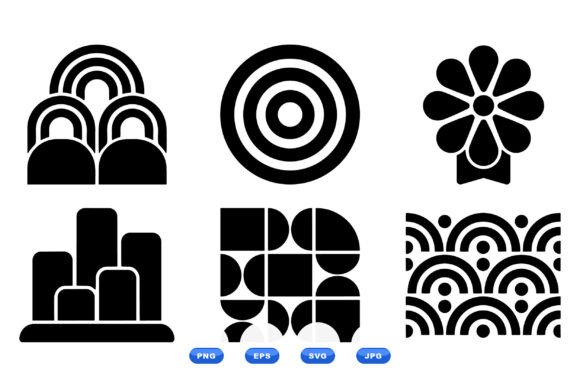
As a designer who spends half my day staring at screen pixels and the other half wrestling with thread tension, I have learned to be skeptical of digital assets that look too perfect on a monitor. When I first pulled down the Retro Geometric SVG Icons, my initial reaction was one of cautious optimism. The description promises a mid-century modern vector set featuring six bold black and white geometric icons and seamless patterns. On paper, this sounds like a straightforward graphic design asset. But for those of us in the Crafts and Graphics spaces who actually stitch these files into fabric, the question is always the same: will it translate from a crisp vector to a tactile, high-quality embroidery project?
I put the Retro Geometric SVG Icons through its paces not just as a static image, but as a potential commercial product. I wanted to see how it would hold up when converted into a machine embroidery design for real-world applications like custom apparel, boutique branding, and personalized gifts. Here is my honest take on whether this design asset deserves a spot in your digital library.
First Impressions: Mood and Visual Personality
The aesthetic of Retro Geometric SVG Icons leans heavily into the mid-century modern vibe. It is clean, structured, and unapologetically bold. In the world of embroidery, "bold" is a good thing, especially when dealing with black and white contrast. There is no muddying of colors here; the sharp angles and clear shapes suggest a design that relies on strong visual hierarchy rather than intricate, delicate details that might get lost in the stitching process.
Visually, the set feels professional and timeless. It does not scream "trendy" in a way that will feel outdated next month. Instead, it has the quiet confidence of classic design. For an Etsy seller or a small shop product creator, this is crucial. You want designs that appeal to a broad audience—people looking for nursery decor, modern kitchen accents, or sophisticated custom apparel. The geometric nature of the icons allows them to function well as standalone elements or as part of a larger pattern, which adds versatility to your design assets.
Real-World Application: From Screen to Stitch
Let’s talk about a specific scenario. Imagine you are preparing a batch of custom embroidered tote bags for a local craft fair. You need something that looks expensive but is quick to produce. You choose Retro Geometric SVG Icons for a centered chest placement or a large back print. Because the design is primarily geometric, it lends itself beautifully to efficient stitching methods.
When digitizing or using pre-made files, the straight lines and solid blocks of color in this set can often be executed using fill stitch techniques that are relatively fast. However, the success of this embroidery file depends entirely on how the digitizer handled the transitions between shapes. If the design includes satin stitch borders around the geometric shapes, they provide a polished, finished look that elevates the perceived value of the handmade product. If it relies on running stitch for outlines, it takes on a more folk-art, casual feel, which might work better for baby embroidery items or rustic home goods.
I also tested the concept mentally for sweatshirt embroidery. A single, bold geometric icon placed over the heart area of a heather grey sweatshirt creates a striking contrast. The simplicity of the Retro Geometric SVG Icons ensures that the focus remains on the texture of the fabric and the quality of the thread, rather than getting overwhelmed by complex imagery. This makes it an excellent choice for commercial embroidery businesses that need to balance speed with aesthetics.
Where Caution Is Required
No design is without its pitfalls, and Retro Geometric SVG Icons is no exception. While the boldness is a strength, it can become a weakness if applied incorrectly. Here are the areas where you need to exercise professional judgment:
- Hoop Size Constraints: If you attempt to use these icons in a very small hoop size, the geometric precision might suffer. Tight curves or sharp corners can sometimes distort if the fabric stretches too much during stitching. Always confirm the recommended hoop size before committing to a small accessory like a hat band or a tiny patch.
- Fabric Texture and Stability: These icons rely on clean lines. Stitching them onto a highly textured fabric, such as a heavy boucle or a loose-weave linen, can obscure the details. Similarly, stretchy fabrics like jersey knit require a proper stabilizer to prevent the geometric shapes from warping. Without adequate support, your crisp squares might turn into wavy diamonds.
- Dense Stitch Areas: If the design calls for dense fills, be mindful of the stitch density. Too much thread in one area can make the fabric stiff and uncomfortable, particularly for custom apparel like t-shirts or baby clothes. Test the feel of the stitched sample to ensure it doesn’t become too rigid.
- Contrast Issues: Since the source material is black and white, the choice of thread color is critical. On dark fabric, you will need light threads to maintain the visibility of the design. On light fabric, dark threads work best. Avoid low-contrast combinations, as the subtle differences in tone will be lost in the stitches.
Impact on Product Value and Brand Consistency
Using Retro Geometric SVG Icons can significantly enhance the professionalism of your brand. In a market flooded with generic clipart, a cohesive, mid-century inspired set signals attention to detail. When customers receive a personalized gift or a holiday embroidery item that features such a refined design, their trust in your craftsmanship increases. It suggests that you care about the visual integrity of the final product.
Furthermore, the versatility of this set allows for strong brand consistency. You can use the same geometric motifs across different products—a tote bag design, a matching apron, and even a kitchen towel. This creates a unified look that is highly appealing to buyers who appreciate coordinated home goods or wardrobe staples. For digital product sellers, offering mockups that showcase these icons on various backgrounds can help drive engagement, as buyers can visualize the potential end result.
Practical Designer Notes for Implementation
Before you upload this file to your machine or include it in your digital storefront, follow these practical steps to ensure success:
- Test on Scrap Fabric: Never assume a digital design will stitch perfectly. Run a test on the exact fabric type you plan to use. Check for puckering, thread breaks, or alignment issues.
- Review Stitch Density: Zoom in on the digitized version. Are there any overly dense areas that might cause needle breakage? Adjust the settings if necessary.
- Check Thread Colors: Create a mockup using your actual thread inventory. Sometimes a color that looks good on screen clashes with the sheen of the thread in person.
- Inspect Small Details: Look closely at the corners and intersections of the geometric shapes. Ensure they are clean and not muddy.
- Confirm Licensing: If you intend to sell finished items made with this design, verify the commercial use rights. Some graphics sets allow personal use only, while others permit full commercial exploitation. Clear licensing protects your business.
- Compare Backgrounds: View the design on both light and dark fabric backgrounds to ensure the contrast remains effective in all scenarios.
In conclusion, Retro Geometric SVG Icons is a strong candidate for designers looking to add a touch of modern sophistication to their embroidery projects. Its bold, clean aesthetic translates well to fabric, provided that attention is paid to fabric choice, stabilization, and stitch quality. For the craft business owner seeking reliable, versatile, and stylish design assets, this set offers a solid foundation for creating high-value finished products. Just remember: the best embroidery starts with careful planning and testing.