Retro Coffee Svg Bundle File
As a designer who spends half my life staring at stitch charts and the other half trying to sell handmade goods online, I don’t just buy designs; I evaluate them for viability. When I first pulled up the Retro Coffee Svg Bundle File, my initial thought wasn’t about the aesthetic alone—it was about execution. Would this translate well from a vector screen into physical thread? Could it hold up on a busy Etsy shop or a local craft fair table? After running through several mental simulations of how this design would behave in real-world embroidery scenarios, here is my practical breakdown.
The First Impression: Mood and Visual Personality
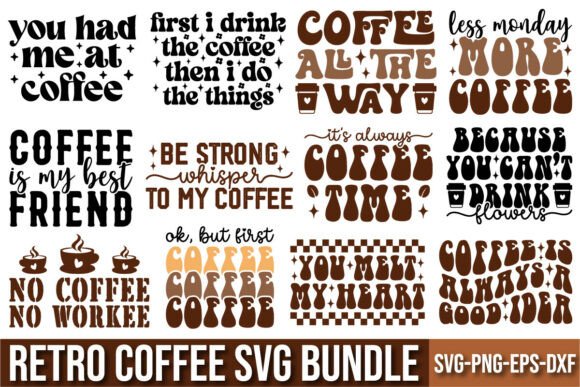
The moment you look at the Retro Coffee Svg Bundle File, it screams nostalgia with a modern twist. The visual personality is warm, inviting, and undeniably cozy. It captures that specific mid-century or vintage diner vibe that has become a staple in contemporary home decor and apparel. For an embroidery designer, the appeal lies in the balance of detail. It isn’t so cluttered that it turns into a muddy mess of thread, nor is it so sparse that it feels cheap. It has enough character to stand alone as a statement piece but remains versatile enough to fit into a broader brand aesthetic.
This is not just a graphic; it is a mood board in digital form. It suggests slow mornings, ceramic mugs, and handwritten notes. That emotional resonance is exactly what drives engagement for Etsy sellers and small business owners. When a customer sees a finished product featuring this design, they aren’t just buying a coffee lover’s shirt; they are buying into a lifestyle. The layout feels intentional, suggesting that whoever created these design assets understood composition and negative space—two critical factors in successful machine embroidery.
Real-World Application: Where This Design Shines
Let’s talk about where this embroidery file actually earns its keep. I imagine this design thriving on custom apparel. Specifically, think about a heavyweight cotton sweatshirt. The retro theme pairs perfectly with the texture of fleece or heavy jersey. When stitched onto a chest pocket or centered on the back, the fill stitch areas likely provide a rich, tactile quality that print cannot replicate. It adds value. A customer paying for embroidered goods expects durability and depth, and this design delivers that visual weight.
Beyond apparel, this bundle is a powerhouse for home goods. Picture a kitchen towel or a tea towel. The contrast between the fabric texture and the smooth lines of the design creates a sophisticated look. It works beautifully as a personalized gift for housewarmings or holidays. I also see strong potential for nursery decor or baby items. The soft, nostalgic colors (assuming the thread palette matches the design’s warmth) make it ideal for baby bodysuits or blanket borders. It feels gentle yet distinctive.
For the craft business owner, this design is a merchandising dream. It fits seamlessly into a boutique branding strategy. Whether you are creating custom apparel for a local coffee shop launch or making embroidered patches for denim jackets, the versatility here is high. It bridges the gap between commercial embroidery needs and artistic expression. If you are listing this as a printable mockup or a digital preview, the clean lines ensure it looks sharp even at small thumbnail sizes, which is crucial for click-through rates.
Versatility Across Product Types
- Tote Bag Design: On canvas or jute, the design pops. It becomes a functional art piece that customers carry daily, extending your brand visibility.
- Sweatshirt Embroidery: The classic placement offers a timeless look that appeals to a broad demographic, from students to professionals.
- Holiday Embroidery: During Q4, this design can be re-themed with seasonal colors to serve as a perfect gift item without needing new artwork.
- Embroidered Patch: Converting this into a patch allows for application on backpacks, hats, and bags, expanding the product line significantly.
Critical Considerations: Where Caution Is Needed
No design is perfect, and honest review requires pointing out the friction points. While the Retro Coffee Svg Bundle File is robust, there are situations where it might struggle if not handled with care. One major area to watch is hoop size. If you attempt to digitize or use this in a very small hoop, fine details may get lost or distort. Always check the hoop size requirements before committing to a small project like a wristband or a tiny hat logo.
Fabric choice is equally critical. Textured fabrics, such as chunky knits or heavily woven burlap, can obscure the definition of the design. Similarly, stretchy fabrics like thin spandex blends require excellent stabilizer support; otherwise, the satin stitch edges might pucker or shift. Dark fabrics present another challenge. If the design relies on light background threads for contrast, you must ensure your thread selection provides enough punch against the dark material. Otherwise, the design will look washed out.
Curved surfaces, such as caps or fitted hats, demand precision. If the design has sharp corners or intricate internal details, they may distort when wrapped around a curve. In these cases, simplifying the design or adjusting the digitization might be necessary. Also, consider the end-user’s maintenance habits. Products that need frequent washing, like baby clothes or kitchen towels, benefit from lower stitch density to prevent bulkiness and stiffness. If this design is overly dense, it might feel uncomfortable against the skin after a few washes.
Practical Designer Notes for Execution
Before you rush to produce a batch of handmade products, take these steps to ensure professional results. First, always test the design on scrap fabric that matches your final material in weight and texture. This reveals how the thread colors interact with the fabric and whether the stabilizer is holding up properly. Inspect small details closely; sometimes, what looks clear on screen becomes illegible in thread.
It is also wise to test the design in black and white mockups. This helps you assess the contrast and balance of the shapes without being distracted by color. Does the eye travel naturally through the design? Are there areas that feel too heavy or too light? Furthermore, confirm the licensing terms explicitly. Even though this is a digital embroidery file, commercial rights vary. Ensure you are allowed to sell finished items made from this design, especially if you are operating a small shop product line.
Finally, think about the overall presentation. How does this embroidery project look in your marketing photos? The retro aesthetic lends itself well to styled shots with props like dried flowers, vintage cups, or wooden backgrounds. This attention to styling enhances customer trust and perceived value. By treating the Retro Coffee Svg Bundle File not just as a graphic but as a core component of your production workflow, you elevate the entire finished product.
Key Takeaways for Success
- Test Thoroughly: Never skip the scrap fabric test. It saves time and materials.
- Match Thread to Theme: Use earth tones, creams, and muted reds to enhance the retro vibe.
- Respect the Fabric: Avoid delicate or highly textured fabrics unless you have mastered stabilization techniques.
- Verify Rights: Confirm commercial usage permissions to protect your craft business.
In conclusion, the Retro Coffee Svg Bundle File is a strong candidate for designers looking to add warmth and nostalgia to their portfolio. It balances aesthetic appeal with practical utility, making it suitable for everything from apparel decorators to creative entrepreneurs. With careful execution and thoughtful application, this design can become a standout item in any embroidery project lineup.