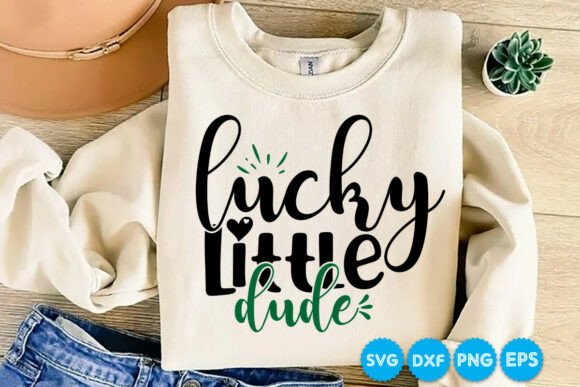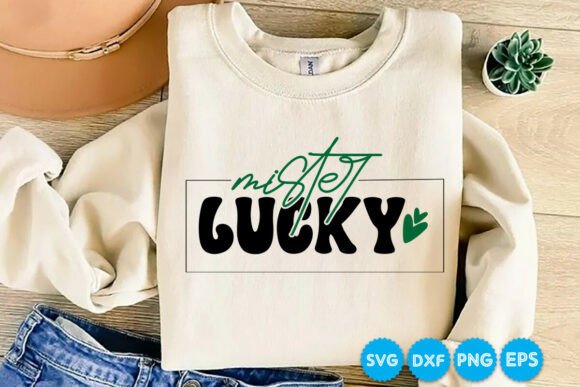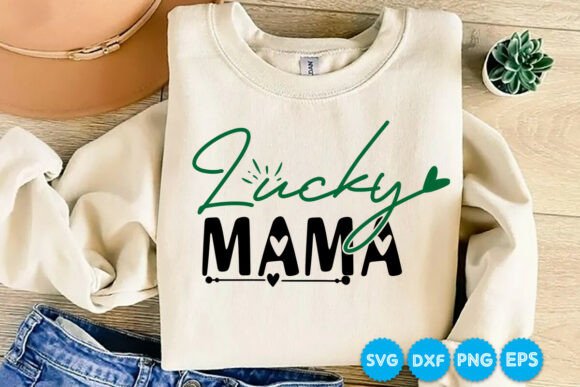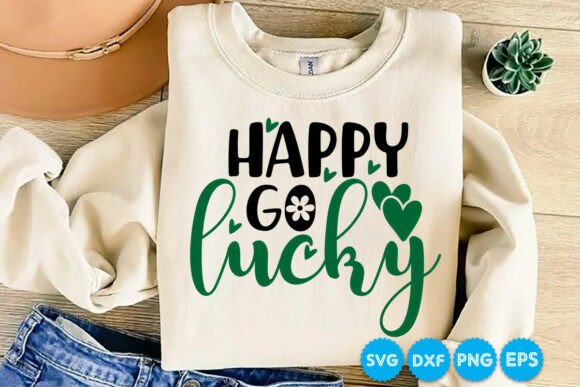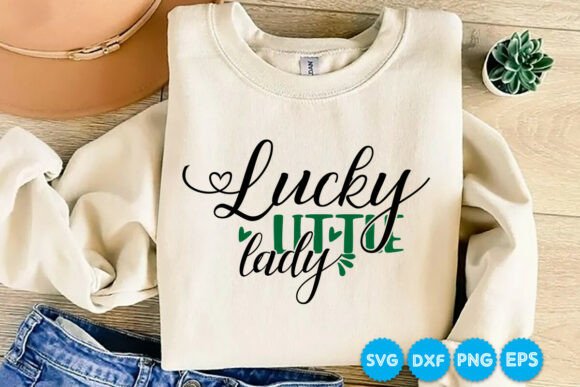
Lucky Little Lady St Patricks Day Svg Review
When I sit down to evaluate a new embroidery file for my craft business, I am rarely looking at just a pretty picture. I am looking at how it will behave under the needle, how it will hold up after twenty washes, and whether it will resonate with the customers browsing Etsy or walking through a local craft fair. Recently, I pulled Lucky Little Lady, St Patricks Day Svg from the pile of digital downloads waiting to be tested. As an experienced designer, I needed to know if this design was merely decorative or if it had the structural integrity and visual charm required for real-world commercial use.
This review breaks down that judgment process. I am looking at this asset not as a static image, but as a potential component in custom apparel, personalized gifts, and boutique merchandise. Here is my practical assessment of how this design performs when moving from screen to fabric.
First Impressions and Visual Personality
The immediate mood of Lucky Little Lady, St Patricks Day Svg is playful yet refined. In the world of holiday embroidery, there is often a tendency toward clutter—too many shamrocks, too much text, or overly busy backgrounds that compete for attention. This design feels like a breath of fresh air. It strikes a balance between festive recognition and wearable elegance. The "Lucky Little Lady" theme suggests a target audience that appreciates whimsy without sacrificing sophistication, making it particularly effective for women’s fashion and nursery decor.
Visually, the layout appears clean. For an embroiderer, clean lines are crucial because they translate directly into stitch paths. A design that looks good on a monitor can fall apart if the vector paths are jagged or if the negative space is mismanaged. From what I can observe in the preview assets, the shapes are distinct. This clarity is essential for maintaining brand consistency in your finished products. When a customer buys a handmade item, the first thing they notice is the quality of the stitching. If the design has ambiguous edges, the machine may struggle, leading to thread breaks or puckering, which immediately lowers perceived value.
Real-World Application: Where Does It Shine?
I have been thinking about where this specific design fits best in a product line. My initial instinct is that Lucky Little Lady, St Patricks Day Svg is exceptionally well-suited for soft goods. Specifically, I see this working beautifully on high-quality cotton tote bags, lightweight sweatshirts, and even baby onesies. The theme lends itself naturally to "personalized gift" categories, such as baptism gifts, christening outfits, or special occasion wear for young girls during the March holidays.
For small shop owners and Etsy sellers, versatility is key. You want designs that can cross over multiple categories. This design works as a standalone piece on a chest pocket area of a cap or hat. It also has enough presence to serve as the focal point on a kitchen towel or a tea towel, items that are popular impulse buys at craft fairs. The festive nature of the St. Patrick’s Day theme ensures seasonal relevance, but the "Lady" aspect keeps it timeless enough that it doesn’t feel cheaply made.
Consider the scenario of preparing a batch of custom embroidered patches. The clean vector nature of the source files allows for precise cutting lines. If you are creating iron-on patches for denim jackets or backpacks, this design provides a clear silhouette that stands out against textured fabrics like denim or canvas. It creates a strong visual anchor, ensuring that the handmade product looks professional rather than amateurish.
Performance on Different Fabrics
Not all fabrics play nice with every design. When testing Lucky Little Lady, St Patricks Day Svg, I would advise paying close attention to fabric texture. On smooth cottons and linens, the stitches should lay flat and crisp. However, on highly textured fabrics like boucle wool or thick fleece, fine details might get lost. In those cases, the design relies heavily on bold outlines and sufficient stitch density to remain visible.
Stretchy fabrics, such as jersey knits used for t-shirts and baby clothes, require careful stabilization. If the design has large areas of dense fill stitch, it can distort the fabric if not backed properly with cut-away stabilizer. I recommend checking the internal structure of the design file to ensure that dense areas are balanced with lighter running stitches or satin borders to prevent puckering. This is especially critical for custom apparel that will be worn and washed frequently.
Technical Considerations for the Embroidery Designer
As a designer, I always start by inspecting the raw data before I hit the start button on the machine. The product description mentions that you receive an SVG, a DXF, and a PNG. While these are excellent formats for cutting machines and graphic design, converting them to a machine-readable format (like .PES, .DST, or .JEF) requires care. You must ensure that the conversion process maintains the integrity of the layers.
Here are some practical notes to keep in mind before you begin stitching:
- Test on Scrap Fabric: Never run a new design directly onto your final garment. Use a scrap of the same fabric and stabilizer combination to check for tension issues and alignment.
- Thread Color Contrast: The visual appeal of this design depends heavily on color choice. On dark fabrics, light green or white threads will pop, but you must ensure the contrast is high enough for the details to be legible. On light fabrics, traditional emerald greens work well, but consider using a darker shade for outlines to define the shapes.
- Hoop Size Constraints: Verify that the design fits comfortably within your standard hoop sizes. If the design is large, you may need to reposition it or split the embroidery, which can affect the aesthetic. Always confirm the dimensions provided in your file package.
- Small Details: Inspect any tiny elements, such as text or small decorative accents. If these details are smaller than 4mm, they may become muddy or unrecognizable after stitching. In such cases, simplifying the design or increasing the font size might be necessary.
- Black and White Mockups: Convert the design to grayscale in your editing software. This helps you see the balance of positive and negative space without the distraction of color. If the design looks cluttered in black and white, it will likely look cluttered in color.
Commercial Viability and Customer Trust
For Etsy sellers and digital product sellers, the professionalism of the design directly impacts sales. Customers trust brands that present cohesive, high-quality imagery. Using a clean, well-structured machine embroidery design like Lucky Little Lady, St Patricks Day Svg signals that you care about the end result. It reduces returns caused by poor stitch quality and increases the likelihood of positive reviews.
Furthermore, the inclusion of layered vector files (SVG) adds value for designers who want to customize the design further. You might scale it, combine it with other elements, or adjust colors to match a specific brand palette. This flexibility makes it a valuable asset for commercial embroidery projects where uniqueness is a selling point. Whether you are creating holiday embroidery collections or year-round craft business inventory, having adaptable design assets is crucial.
Final Verdict
Lucky Little Lady, St Patricks Day Svg appears to be a solid, versatile addition to any embroiderer’s library. It balances festive cheer with design integrity, making it suitable for a wide range of applications from baby embroidery to sweatshirt embroidery. By taking the time to test it on your specific materials and paying attention to stitch density and stabilization, you can create finished products that stand out in a crowded market. It is a design that respects both the maker and the wearer, offering a reliable foundation for creative expression.
If you are looking to expand your small shop product offerings with timely, high-quality graphics, this design warrants a spot in your workflow. Just remember to verify the technical specifications provided in your download package, such as exact file formats and any licensing restrictions, to ensure seamless integration into your production pipeline.