Don t Be Trashy Earth Day Design Review
As a designer who spends more time staring at stitch density charts than sleeping, I approach every new digital asset with a mix of hope and skepticism. We have all been there: you find a design that looks perfect in the preview window, but when you load it into your hoop, the details get lost or the thread breaks. That is why I treat this review not just as a description, but as a practical assessment of how Don t Be Trashy Earth Day Design performs when it moves from the screen to the needle.
This particular graphic falls squarely into the Crafts and Graphics categories, offering a retro aesthetic that feels timely yet timeless. The phrase itself carries a punchy, slightly rebellious energy that stands out against the usually soft and passive messaging often associated with environmental themes. For those of us building a brand around handmade goods, that visual personality is gold. It grabs attention without screaming for it.
First Impressions and Visual Personality
The moment you open the file set, the layout tells you exactly what kind of project this was made for. The retro SVG style suggests bold lines and clear shapes, which is crucial for machine embroidery. In my experience, designs that rely on subtle gradients or ultra-fine shading often struggle on fabric unless you are working with high-end commercial machines and premium threads. This design, however, leans into its vector roots.
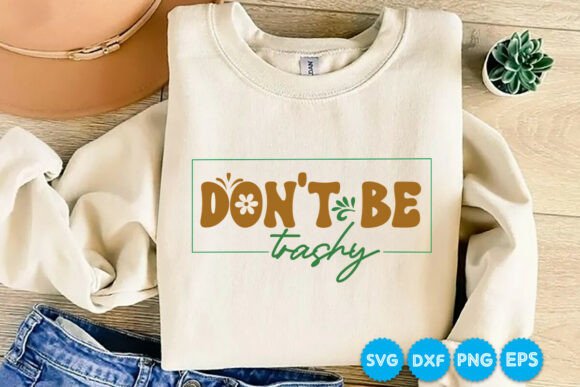
The mood is playful but pointed. It creates an immediate conversation starter. When I visualize this on a product, I do not see it fading into the background of a craft fair table. Instead, it commands space. The "Earth Day" theme is clear, but the "Don t Be Trashy" attitude adds a layer of modern activism that resonates with today’s conscious consumer. It feels less like a greeting card and more like a statement piece. This is the kind of design that makes a customer stop scrolling on Etsy because it aligns with their values while still looking stylish.
Real-World Application: From Screen to Stitch
Let’s talk about where this design actually lives. I recently imagined using this for a custom embroidered tote bag for a local zero-waste workshop. The contrast of the bold retro text against canvas fabric immediately came to mind. Tote bags are a staple for the eco-conscious crowd, and pairing them with a message that directly addresses waste habits creates a cohesive narrative. The design fits perfectly here because it is legible even from a distance.
However, I also see strong potential in apparel. A cropped sweatshirt or a heavyweight t-shirt could carry this motif beautifully. The retro vibe pairs naturally with vintage-wash fabrics. Imagine a cream-colored tee with black or forest green thread work. The visual appeal is heightened by the simplicity of the color palette required. You do not need a rainbow of threads to make this pop; sometimes, two or three well-chosen thread colors are enough to let the shape speak.
For small business owners and Etsy sellers, versatility is key. This design is not limited to one type of item. It translates well to baby clothes, perhaps as a bodysuit print for a gender-neutral nursery collection. It works equally well as an embroidered patch for denim jackets or backpacks. The ability to scale this design without losing integrity means you can offer it as a personalized gift for a child’s first backpack or as a larger statement piece for an adult’s hoodie. That flexibility increases the perceived value of your listing.
Technical Considerations and Stitching Clarity
While the visual concept is strong, the real test is in the stitching. The file includes an SVG, DXF, and PNG, which gives you multiple pathways for preparation. However, as an experienced reviewer, I must emphasize that file format does not equal stitch quality. If you are converting this vector into a machine embroidery file, you need to pay close attention to the stitch density.
Retro designs often feature thick outlines or block letters. If the density is too high, the fabric will pucker, especially if you are using lightweight materials. Conversely, if the density is too low, the stabilizer might show through, ruining the clean look. I always recommend testing the design on scrap fabric first. Check how the satin stitch edges hold up on different fabrics. On a textured fabric like linen, the stitches might catch unevenly, so a smooth cotton blend is likely your safest bet for a professional finish.
Also, consider the hoop size. If you plan to embroider this on smaller items like caps or hats, ensure the design dimensions fit comfortably within your standard hoops without requiring awkward re-hooping. Curved surfaces add another layer of complexity. While this design has a flat, graphic feel, applying it to the curved front of a cap requires careful tension adjustment to prevent the text from distorting.
Where to Use With Caution
Not every surface is created equal. There are specific scenarios where this design might face challenges:
- Small Hoop Sizes: If the design includes intricate corner details or tiny lettering, shrinking it down to fit a mini hoop may result in muddy stitches. Always inspect small details before committing to production.
- Stretchy Fabrics: Knits and stretchy blends require a sturdy stabilizer. Without proper support, the retro curves of the design might warp during stitching, leading to a misshapen final product.
- Dense Stitch Areas: Avoid placing this design over existing seams or pockets on garments, as the added bulk can be uncomfortable and difficult to hoop flat.
- Frequent Washing: If you are creating products for active wear or kitchen towels, ensure the thread choice is colorfast and the stitch type is durable enough to withstand repeated laundering.
Brand Consistency and Customer Trust
In the world of handmade commerce, professionalism is built on consistency. Using a design like Don t Be Trashy Earth Day Design signals that you understand current trends and cultural conversations. It shows your customers that you are not just selling random crafts; you are curating experiences. When a buyer sees a clean, well-executed embroidery job on a custom apparel item, it builds trust in your craftsmanship.
Furthermore, the retro aesthetic helps with brand recognition. If you consistently use bold, graphic designs with clear messages, your shop develops a distinct visual identity. This makes your printable mockups and social media posts more engaging. Customers remember designs that have character. They share them. And they return for more.
Practical Designer Notes for Success
Before you upload this to your machine or list it on your shop, keep these practical tips in mind:
- Test Black and White Mockups: Strip away the color to check the balance of the design. Does the negative space work? Is the focal point clear?
- Compare Light and Dark Backgrounds: Thread color choice is critical. Test your design on both light and dark fabric swatches to ensure maximum contrast and readability.
- Use Proper Stabilizer: Never skimp on stabilizer. It is the backbone of any good embroidery project. For this design, a cut-away stabilizer might be best if you plan to wash the finished product frequently.
- Check Licensing: As a commercial embroidery asset, verify the licensing terms. Ensure you have the right to sell finished items featuring this design, especially if you are using it for a large batch production.
- Review Stitch Types: Look for a mix of fill stitch and running stitch to add texture and interest. A purely satin design can look flat; varying the stitch types adds depth.
Ultimately, Don t Be Trashy Earth Day Design is a versatile, eye-catching asset that bridges the gap between fun graphics and serious environmental messaging. It is not just another clipart file; it is a tool for creators who want to make a statement. By paying attention to the technical details—hoop size, fabric choice, and stitch quality—you can transform this digital graphic into a tangible, high-quality handmade product that customers will love to wear and display.
Whether you are a seasoned pro or a hobbyist looking to elevate your next project, this design offers a solid foundation for creativity. Just remember: the best embroidery happens when technology meets thoughtful execution. Test your samples, trust your eyes, and let the design do the talking.