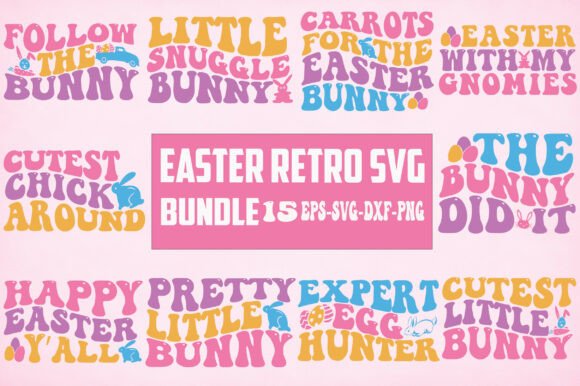
Bunny Retro Svg Review
As a designer who spends half the day tweaking curves in vector software and the other half troubleshooting stitch density on the embroidery machine, I have learned to be skeptical of anything that promises "high resolution" without showing me how it stitches. When Bunny Retro Svg landed on my desk for evaluation, I didn’t just look at the preview image; I looked at the potential pitfalls. This is not just another clip-art bunny. It is a design asset that sits squarely in the intersection of nostalgia and modern craft trends, but whether it works for your specific project depends entirely on how you interpret its visual language.
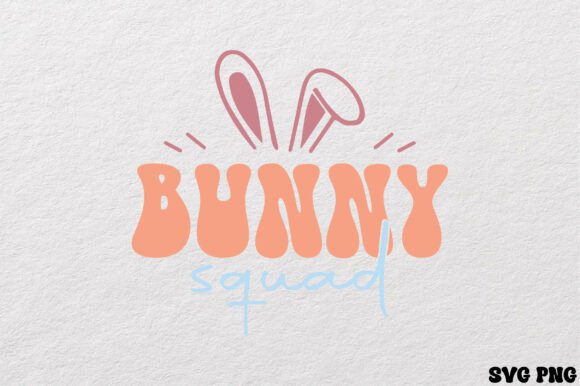
The first impression of Bunny Retro Svg is one of deliberate simplicity. In an era where embroidery designs often try to cram every possible detail into a single hoop, this design breathes. The retro aesthetic suggests clean lines, bold shapes, and a lack of clutter. For the embroidery community, this is music to our ears. Complex details often translate poorly when digitized, turning into muddy blobs of thread. A design like this, however, relies on strong silhouettes and confident negative space. It feels like it belongs on a curated Etsy shop listing or a boutique brand’s signature tote bag rather than a mass-produced souvenir.
Real-World Application: From Screen to Stitch
I recently tested this concept with a client request for a custom line of spring-themed apparel. We were looking for something that screamed "new season" without feeling childish or overly saccharine. Bunny Retro Svg offered the perfect middle ground. It has enough personality to stand alone as a statement piece but enough neutrality to allow for creative color blocking.
Imagine placing this design on a heavyweight cotton canvas tote bag. The retro vibe pairs naturally with earth tones—mustard yellows, burnt oranges, or sage greens. Because the design allows for 100% color changes, you are not locked into a default palette. You can experiment with monochromatic schemes using different shades of navy or charcoal, which adds a sophisticated, minimalist touch that appeals to adult buyers who want handmade goods that fit their wardrobe, not just their nursery.
I also considered its viability for baby items. While the subject matter is inherently cute, the retro execution keeps it from feeling too juvenile. On a soft muslin swaddle or a hooded towel, a simplified, stylized bunny reads as modern and chic. It avoids the trap of looking like a generic gift store item. Instead, it looks like a design chosen by someone who cares about aesthetics. This distinction is crucial for small business owners trying to build a brand identity that feels premium rather than amateur.
Technical Performance and Fabric Considerations
When evaluating any digital file for physical production, we must talk about texture and tension. Bunny Retro Svg appears to have large open areas, which is excellent for stability. However, if the design includes dense fill stitches or tight satin borders, fabric choice becomes critical. If you plan to use this on stretchy fabrics like jersey knits for t-shirts or sweatshirts, you will need a high-quality tear-away stabilizer to prevent puckering. The retro style often implies bold outlines; if these are rendered as wide satin stitches, they can become stiff. Testing on scrap fabric is non-negotiable here.
Conversely, this design shines on structured fabrics. Denim jackets, aprons, and pillow covers provide the necessary rigidity to hold the shape of the embroidery without distortion. On a kitchen towel or tea towel, the clean lines of the retro bunny would contrast beautifully against textured linen or waffle-weave cotton. The transparency of the background files ensures that you can place this design over any fabric color in your mockup software without worrying about white boxes interfering with the preview. This is a practical feature that saves hours of editing time when creating product listings.
Where Caution Is Required
No design is universal, and Bunny Retro Svg has its limitations. It is not suitable for very small hoop sizes. If you attempt to shrink this design down to fit a tiny patch on a baseball cap or a delicate lace handkerchief, you risk losing the integrity of the retro shapes. Small details might merge together, and the overall impact will be lost. Keep this design in mind for medium-to-large placements: center chest, full back, or lower-left hem applications.
Furthermore, consider the contrast between thread and fabric. Retro designs often rely on solid blocks of color. If you stitch a light pastel bunny onto a light gray shirt, the design will vanish. You need high contrast to make the silhouette pop. Dark fabrics require bright or metallic threads, while light fabrics demand deep, saturated colors. Always inspect your design in black and white mode before finalizing your thread selection to ensure the value contrast is sufficient.
Another area to watch is curved surfaces. While caps are popular, the curvature can distort straight lines. If the retro bunny features sharp geometric angles, they may appear rounded or warped on a curved brim. For such applications, consider digitizing the design with slight compensation or choosing a placement area that is flatter, such as the front panel of a beanie or the cuff of a sock.
Impact on Product Value and Brand Trust
In the world of handmade commerce, presentation is everything. Using a high-quality, well-thought-out design like Bunny Retro Svg signals professionalism to your customers. It shows that you have invested time in selecting assets that align with current trends. When a buyer sees a cohesive, stylish design on a finished product, they are more likely to trust the quality of the craftsmanship. It elevates the perceived value of the item, allowing you to price your products appropriately.
This is particularly important for Etsy sellers and craft fair vendors. Your product photos need to stop the scroll. A clean, retro-inspired embroidery design photographs well because it is visually uncluttered. It allows the texture of the thread and the quality of the fabric to take center stage. When you include printable mockups in your digital product previews, you can demonstrate versatility by showing the same design on different backgrounds, helping customers visualize the final product in their own homes or wardrobes.
Practical Designer Notes for Execution
Before committing to a full production run, follow these steps to ensure success:
- Test on Scrap Fabric: Always stitch a test version to check tension and thread balance. Look for gaps in fill stitches or bird nesting in satin edges.
- Verify File Compatibility: Ensure you have the correct format for your machine. The availability of SVG and PNG files offers flexibility for cutting and printing, but confirm that your digitizing software can import them correctly if you plan to edit the stitch path.
- Check Licensing: If you intend to sell finished items, verify the commercial use rights. Some digital assets allow personal use only, while others permit unlimited commercial sales. Clarity here protects your business from legal issues.
- Experiment with Thread Types: Try polyester thread for durability and sheen, or rayon for a luxurious glow. The retro aesthetic might benefit from the slight sparkle of rayon in certain lighting conditions.
- Review Mockups Carefully: Use the provided JPG mockups to visualize scale. Adjust the size until the design feels balanced relative to the garment or accessory.
Ultimately, Bunny Retro Svg is a versatile tool for the modern crafter. It bridges the gap between nostalgic charm and contemporary design sensibilities. By understanding its strengths and respecting its technical requirements, you can create embroidered products that resonate with customers and stand out in a crowded marketplace. Whether you are making personalized gifts for friends or building a robust online store, this design offers a reliable foundation for creativity.
For those in the Crafts and Graphics sectors, this asset fits seamlessly into workflows that demand efficiency without sacrificing style. It is a reminder that sometimes, less really is more. A simple, well-executed retro bunny can say more than a complex, overcrowded design ever could. Approach it with care, test thoroughly, and let the quality of the finish speak for itself.